

সর্বশেষ এন্টারপ্রাইজ এবং শিল্প খবর আপনাকে প্রদান.
পলিকার্বোনেট প্যানেলগুলিকে অন্যান্য গ্লেজিং উপকরণ থেকে কী আলাদা করে তোলে
পলিকার্বোনেট প্যানেল পর্যন্ত প্রেরণ দৃশ্যমান আলোর 90% সমতুল্য পুরুত্বের গ্লাসের প্রায় অর্ধেক ওজনের সময়। এই সংমিশ্রণ - উচ্চ অপটিক্যাল স্বচ্ছতা, কম ভর এবং ব্যতিক্রমী প্রভাব প্রতিরোধের - যা তাদের আর্কিটেকচারাল গ্লেজিং, শিল্প ঘের এবং প্রতিরক্ষামূলক অ্যাপ্লিকেশনগুলিতে আলাদা করে।
প্রভাব শক্তি সবচেয়ে ঘন ঘন উদ্ধৃত সুবিধা. পলিকার্বোনেট ছিন্নভিন্ন করার পরিবর্তে শক্তি শোষণ করে, এটি তৈরি করে স্ট্যান্ডার্ড ফ্লোট গ্লাসের চেয়ে 250 গুণ বেশি প্রভাব-প্রতিরোধী এবং অ্যাক্রিলিকের চেয়ে 30 গুণ বেশি প্রতিরোধী। এই সম্পত্তিটি কেন নিরাপত্তা গ্লেজিং, মেশিন গার্ড, এবং হারিকেন-প্রতিরোধী ছাদ ব্যবস্থার জন্য নির্দিষ্ট করা হয়েছে যেখানে লোডের অধীনে ব্যর্থতা একটি বিকল্প নয়।
উপাদান একটি বিস্তৃত তাপ পরিসীমা জুড়ে সঞ্চালিত. স্ট্যান্ডার্ড গ্রেডগুলি প্রায় থেকে কাঠামোগত অখণ্ডতা বজায় রাখে −40 °C থেকে 120 °C , যা বিশেষ ফর্মুলেশনের প্রয়োজন ছাড়াই বেশিরভাগ বহিরঙ্গন ইনস্টলেশন জলবায়ুকে কভার করে।
প্রধান প্যানেল বিন্যাস এবং কখন প্রতিটি ব্যবহার করতে হবে
পলিকার্বোনেট বাণিজ্যিকভাবে তিনটি প্রাথমিক কাঠামোতে উপলব্ধ, প্রতিটি নিরোধক, শক্তি এবং ওজনের ভিন্ন ভারসাম্যের জন্য অপ্টিমাইজ করা হয়েছে।
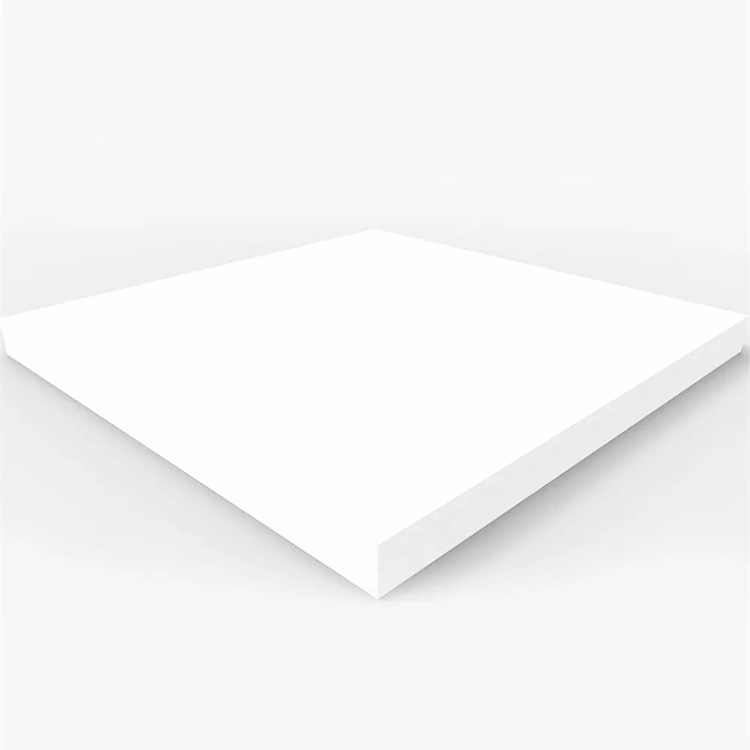
সলিড পলিকার্বোনেট শীট
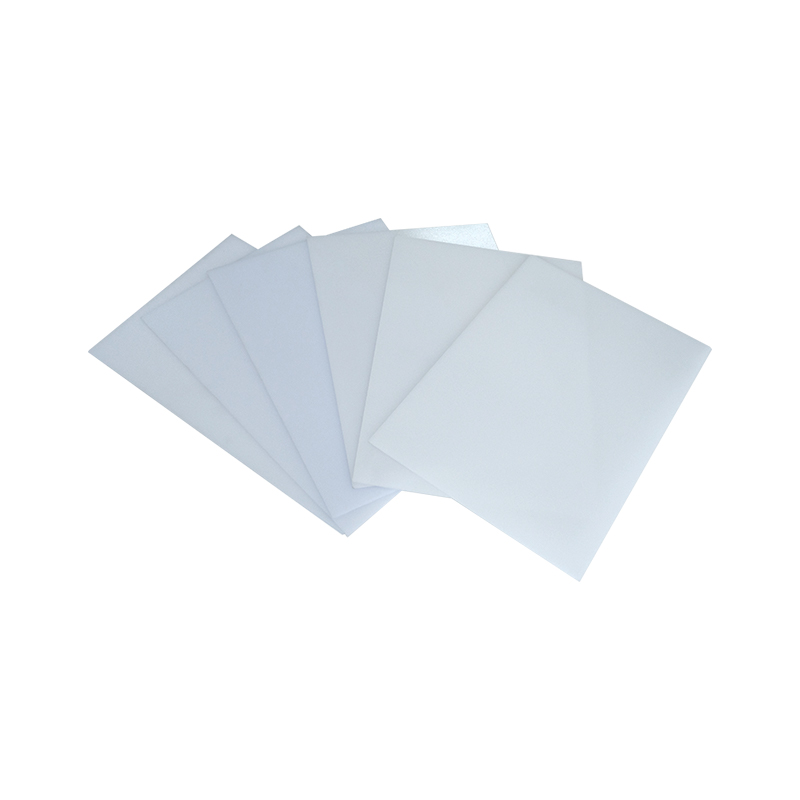
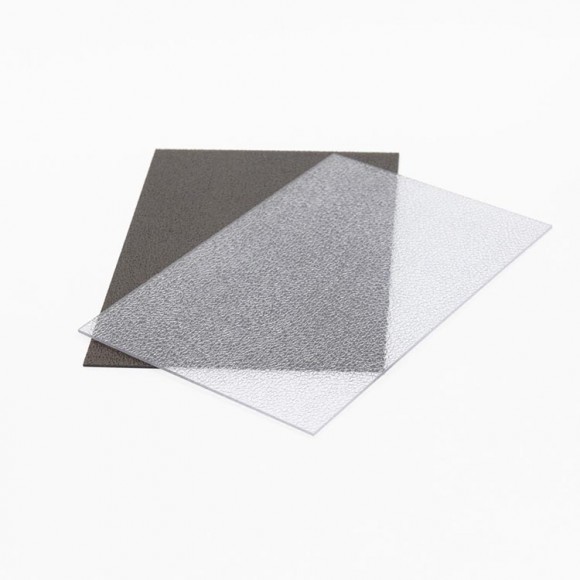
সলিড শীট সর্বোচ্চ অপটিক্যাল স্বচ্ছতা এবং তিনটি ফরম্যাটের সর্বোচ্চ পৃষ্ঠের কঠোরতা প্রদান করে। পুরুত্ব সাধারণত 1 মিমি থেকে 25 মিমি পর্যন্ত হয়। তারা মেশিন গার্ড, নিরাপত্তা গ্লেজিং, দাঙ্গা ঢাল, এবং ডিসপ্লে অ্যাপ্লিকেশন যেখানে স্ক্র্যাচ প্রতিরোধ এবং স্বচ্ছতা গুরুত্বপূর্ণ। পুরু গ্রেড (10 মিমি এবং তার বেশি) বুলেট-প্রতিরোধী সমাবেশগুলিতে ব্যবহৃত হয়।
টুইন-ওয়াল এবং মাল্টি-ওয়াল প্যানেল
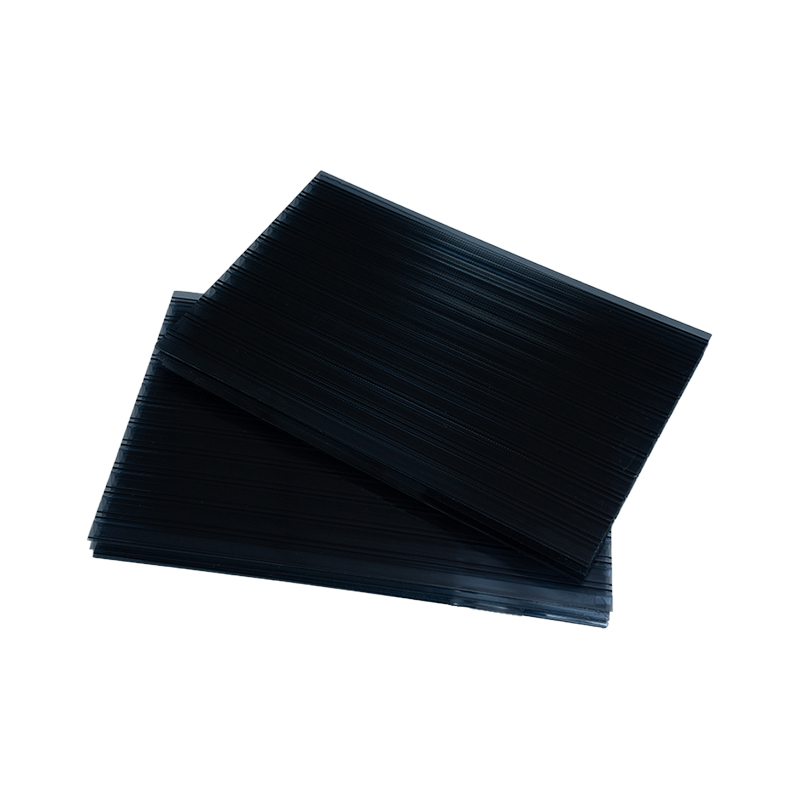
ফাঁপা-চ্যানেল প্যানেল - সাধারণত টুইন-ওয়াল, ট্রিপল-ওয়াল, বা মাল্টিওয়াল বলা হয় - সমান্তরাল স্কিনগুলির মধ্যে বাতাস আটকে দেয়, সরবরাহ করে তাপ নিরোধক মান (U-মান) 1.3 W/m²K হিসাবে কম ছয় দেয়ালের কনফিগারেশনের জন্য। এটি তাদের গ্রিনহাউস ক্ল্যাডিং, স্কাইলাইট, কারপোর্ট ছাদ এবং ফ্যাসাড ইনফিল প্যানেলের জন্য প্রভাবশালী পছন্দ করে তোলে যেখানে শক্তির কার্যকারিতা আলোর সংক্রমণের মতোই গুরুত্বপূর্ণ। কঠিন শীটের তুলনায় ট্রেড-অফ কম স্বচ্ছতা।
ঢেউতোলা পলিকার্বোনেট শীট
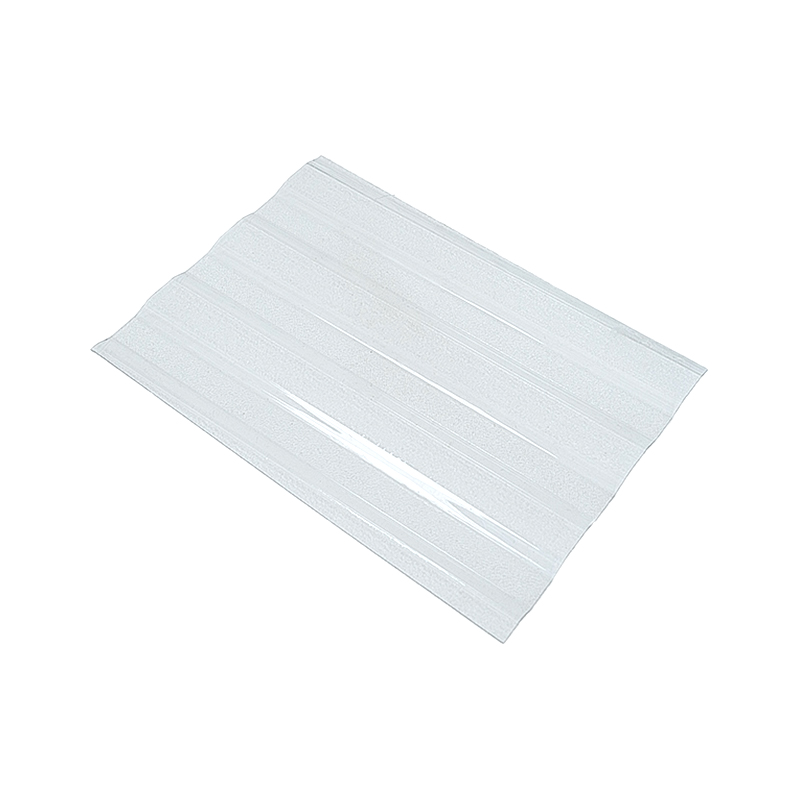
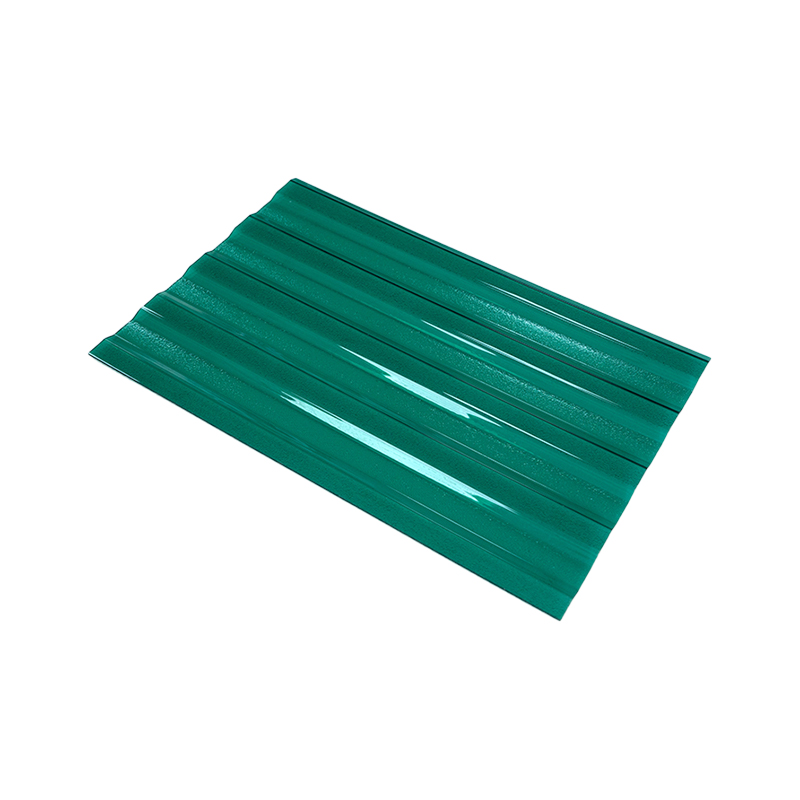
ঢেউতোলা প্রোফাইলগুলি উপাদান বেধের পরিবর্তে জ্যামিতির মাধ্যমে কাঠামোগত দৃঢ়তা যোগ করে, সক্ষম করে কম উপাদান ওজনে দীর্ঘ অসমর্থিত স্প্যান . এগুলি ব্যাপকভাবে শিল্প ছাদ, কৃষি ভবন এবং আশ্রয়কেন্দ্রে ব্যবহৃত হয় যেখানে ইনস্টলেশনের সহজতা এবং খরচ দক্ষতা অগ্রাধিকার। প্রোফাইলের মাত্রা সাধারণত বিদ্যমান purlins সঙ্গে সরাসরি সামঞ্জস্যের জন্য স্ট্যান্ডার্ড ধাতব ছাদ প্রোফাইল অনুসরণ করে।
| প্যানেলের ধরন | সাধারণ আলো সংক্রমণ | তাপ নিরোধক | প্রাথমিক ব্যবহারের ক্ষেত্রে |
|---|---|---|---|
| সলিড শীট | 90% পর্যন্ত | কম | নিরাপত্তা গ্লেজিং, গার্ড, প্রদর্শন |
| মাল্টি-ওয়াল | 40-82% | উচ্চ | গ্রীনহাউস, স্কাইলাইট, সম্মুখভাগ |
| ঢেউতোলা | 75-85% | কম–Medium | শিল্প ছাদ, আশ্রয়কেন্দ্র |
ইউভি সুরক্ষা: আবরণগুলি আসলে কী করে
দীর্ঘায়িত ইউভি এক্সপোজারের অধীনে আনকোটেড পলিকার্বোনেট দ্রুত হ্রাস পায় - সরাসরি সূর্যালোকে দুই থেকে তিন বছরের মধ্যে হলুদ হয়ে যায় এবং ভঙ্গুর হয়ে যায়। সমস্ত বহিরঙ্গন-গ্রেড প্যানেলের একটি UV-স্থিতিশীল সহ-এক্সট্রুশন স্তর প্রয়োজন , বাল্ক রজনে মিশ্রিত একটি সংযোজন নয়, কারণ কো-এক্সট্রুড লেপগুলি একটি সামঞ্জস্যপূর্ণ, টেকসই বাধা প্রদান করে যা প্যানেলের জীবনকাল স্থায়ী হয়।
মানের বহিরঙ্গন প্যানেলগুলি উন্মুক্ত মুখের উপর একটি UV-ব্লকিং স্তর বহন করে যা প্রায় 380 nm এর নীচে তরঙ্গদৈর্ঘ্যকে ফিল্টার করে। স্বনামধন্য নির্মাতারা প্রকাশ করে 10 বছরের অপটিক্যাল স্বচ্ছতার ওয়ারেন্টি প্রত্যয়িত কো-এক্সট্রুডড ইউভি সুরক্ষা সহ প্যানেলের জন্য। পণ্যের মূল্যায়ন করার সময়, বিশেষভাবে জিজ্ঞাসা করুন যে UV স্তরটি সহ-এক্সট্রুড বা পৃষ্ঠ-প্রয়োগ করা হয়েছে — একটি আঁকা-অন UV আবরণ সমান দীর্ঘায়ু প্রদান করবে না।
অভ্যন্তরীণ অ্যাপ্লিকেশনের জন্য যেমন পার্টিশন বা মেশিন ঘের সরাসরি সূর্যের এক্সপোজার ছাড়া, UV স্থিতিশীলতা কম গুরুত্বপূর্ণ, এবং প্রিমিয়াম কো-এক্সট্রুশন ছাড়া একটি স্ট্যান্ডার্ড গ্রেড উপযুক্ত হতে পারে।
লোড রেটিং, পুরুত্ব নির্বাচন, এবং স্প্যান নির্দেশিকা
সঠিক প্যানেলের বেধ নির্বাচন করা প্রাথমিকভাবে স্প্যানের দৈর্ঘ্য, প্রত্যাশিত তুষার এবং বাতাসের লোডের উপর ভিত্তি করে একটি কাঠামোগত গণনা এবং প্যানেলটি কেবল সমর্থিত বা একাধিক পুরলিনের উপর অবিচ্ছিন্ন কিনা। নীচে ছাদ অ্যাপ্লিকেশনগুলিতে ব্যবহৃত মাল্টিওয়াল প্যানেলের জন্য সাধারণ সূচনা-বিন্দু নির্দেশিকা রয়েছে:
- 6 মিমি টুইন-ওয়াল - 600 মিমি পর্যন্ত বিস্তৃত, হালকা-শুল্ক আবাসিক অ্যাপ্লিকেশন, কম তুষার-লোড জোন
- 10 মিমি ট্রিপল-ওয়াল — 1,000 মিমি পর্যন্ত বিস্তৃত, স্ট্যান্ডার্ড গ্রিনহাউস এবং ক্যানোপি ব্যবহার
- 16 মিমি পাঁচ-প্রাচীর - 1,200 মিমি পর্যন্ত বিস্তৃত, বাণিজ্যিক গ্লেজিং এবং উচ্চ-পারফরম্যান্স ছাদ
- 25 মিমি ছয় দেয়াল — 1,500 মিমি পর্যন্ত বিস্তৃত, ঠান্ডা-জলবায়ু ইনস্টলেশনের জন্য সর্বাধিক তাপ নিরোধক প্রয়োজন
এই সূচক মান. যে কোনো স্ট্রাকচারাল গ্লেজিং প্রকল্প স্থানীয় বিল্ডিং কোডের বিরুদ্ধে বৈধ হওয়া উচিত এবং নির্দিষ্ট প্যানেল প্রস্তুতকারকের লোড টেবিল, যা প্যানেলের জ্যামিতি, বাঁশির দিকনির্দেশ এবং সমর্থন শর্তগুলির জন্য দায়ী। নিষ্কাশনের দিকে চলমান বাঁশির সাথে প্যানেল স্থাপন করাও অপরিহার্য — ফাঁপা চ্যানেলের ভিতরে আটকে থাকা জল শৈবালের বৃদ্ধিকে ত্বরান্বিত করে এবং জমাট বাঁধতে পারে, যার ফলে বিচ্ছিন্নতা সৃষ্টি হয়।
ফায়ার ক্লাসিফিকেশন এবং বিল্ডিং রেগুলেশন কমপ্লায়েন্স
স্ট্যান্ডার্ড পলিকার্বোনেট স্ব-নির্বাপক এবং শ্রেণীবদ্ধ UL 94 V-2 বা তার বেস আকারে ভাল। প্রিমিয়াম শিখা-retardant গ্রেড অর্জন UL 94 V-0 এবং ইউরোপীয় শ্রেণীবিভাগ বহন করে B-s1, d0 EN 13501-1 এর অধীনে, এগুলিকে পাবলিক বিল্ডিং, পরিবহন অবকাঠামো এবং অ্যাপ্লিকেশনগুলিতে ব্যবহারের জন্য উপযুক্ত করে তোলে যেখানে জাতীয় বিল্ডিং প্রবিধানগুলি সীমিত দাহ্যতা নির্দিষ্ট করে।
ফায়ার-রেটেড পলিকার্বোনেট প্যানেলগুলি স্ট্যান্ডার্ড গ্রেডের সাথে বিনিময়যোগ্য নয় — শিখা প্রতিরোধক প্যাকেজ প্রক্রিয়াকরণ আচরণকে প্রভাবিত করে এবং হালকা সংক্রমণকে কিছুটা পরিবর্তন করতে পারে। একটি প্রকল্পে পরে ব্যয়বহুল উপাদান প্রতিস্থাপন এড়াতে, ক্রয় করার আগে, স্পেসিফিকেশন পর্যায়ে অগ্নি শ্রেণীবিভাগের প্রয়োজনীয়তা নিশ্চিত করুন।
IBC বা অনুরূপ কোডগুলি অনুসরণ করার ক্ষেত্রে, রুফলাইট এবং অ্যাট্রিয়াম অ্যাপ্লিকেশনগুলির জন্য একটি ক্লাস 1 বা ক্লাস CC1 স্প্রেড-অফ-ফ্লেম রেটিং পূরণ করার জন্য প্যানেলের প্রয়োজন হতে পারে। গ্লেজিং নির্মাতারা সাধারণত প্রতিটি পণ্য লাইনের জন্য পরীক্ষার শংসাপত্র প্রকাশ করে; ক্রয় প্রক্রিয়ার অংশ হিসাবে এই নথিগুলির অনুরোধ করা বাণিজ্যিক প্রকল্পগুলির জন্য আদর্শ অনুশীলন৷৷